Introduction
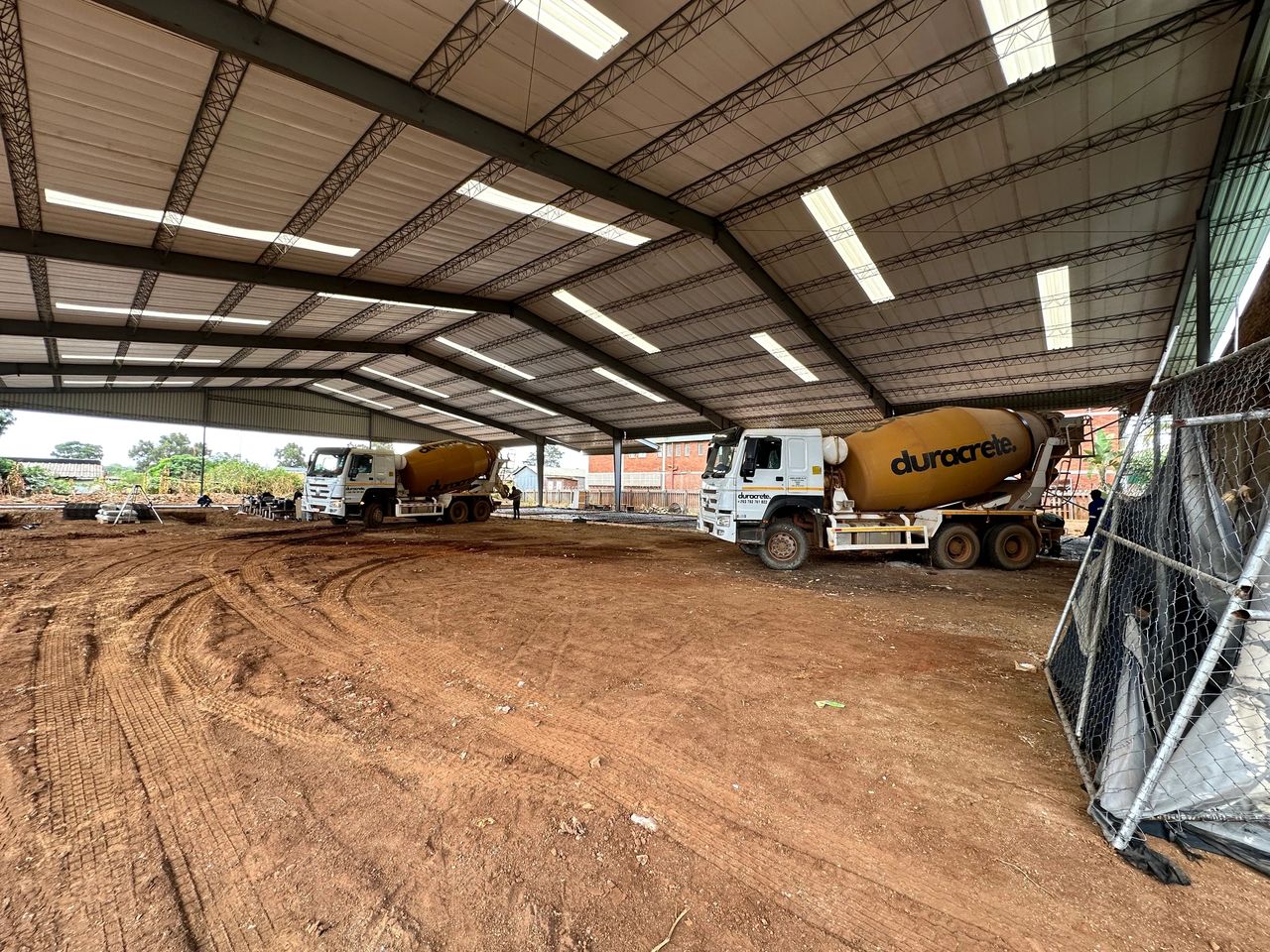
With the growth of the construction industry in Zimbabwe, more and more structures are being erected. The leafy suburbs of Harare and the once remote and lifeless sides of the highways have become construction sites. The most preferred material is concrete, a quick-setting grey mix of cement, water, river sand, and quarry stones.
In the realm of concrete construction, premix concrete has emerged as a favoured choice for contractors and project owners alike. Its convenience, consistency, and efficiency make it a superior option compared to traditional on-site mixing methods.
Adoption in the commercial construction sector has been instant, but there remains slow adaptation in the residential construction sector as homeowners dread the one-time costs of batched concrete.
Here, we explore the key benefits of using premix concrete in residential housing projects and assist in informing the next homeowner about why premix may be the best option.
Consistent quality
Premix concrete is produced in a controlled environment at a batching plant, ensuring a consistent mix and quality. This consistency is crucial for the structural integrity of residential buildings. By adhering to precise mix designs, premix concrete guarantees uniformity in strength, durability, and finish, which is often challenging to achieve with on-site mixing.
Time Efficiency
One of the standout advantages of premix concrete is the significant time savings it offers. On-site mixing can be time-consuming, requiring careful measurement and mixing of ingredients. On-site mixes usually result in some work being done past the sunshine hours, resulting in poor quality work.
Premix concrete, delivered ready-to-use, eliminates this process, allowing for faster project completion. This is particularly beneficial in residential construction, where timelines are often tight.
Reduced Labour Costs
Using premix concrete reduces the need for a sizeable on-site labour team to mix and prepare concrete. This not only cuts down on labour costs but also minimizes the potential for human error during mixing. With premix concrete, builders can allocate their workforce more efficiently, focusing on other critical aspects of the construction process.
Enhanced Workability
Premix concrete is known for its excellent workability, which makes it easier to handle and place. This attribute is precious in residential construction, where complex forms and detailed finishes are standard. Improved workability ensures that the concrete can be smoothly poured and finished, resulting in higher-quality outcomes.
Environmental Benefits
Using premix concrete can also contribute to more sustainable building practices. Batch plants often have better waste management and recycling processes compared to on-site mixing. Moreover, the precision of premix concrete reduces material wastage, leading to a lower environmental footprint.
Conclusion
While manual mixes are still good alternatives, a site technician, usually an Engineer or at least a foreman with concrete experience, is needed to ensure that the mixes are correctly calculated.
Premix concrete offers numerous advantages for residential housing construction, from consistent quality and time efficiency to reduced labour costs and enhanced workability. Its environmental benefits and versatility further underscore its suitability for modern construction projects. By opting for premix concrete, builders and homeowners can achieve superior results, ensuring the longevity and safety of their residential structures without the worry that your mix was incorrectly calculated.
For more information on how premix concrete can benefit your next construction project, contact our projects team at info@engineeriumprojects.com. We will eagerly assist you.