Harare, Zimbabwe’s capital, has seen remarkable population growth over the years. From 143,000 in 1950 to over 1.4 million in 2022, this rapid urbanisation has increased demand for housing and infrastructure, placing considerable pressure on the city’s resources. To address these challenges, sustainable building practices are essential for Harare’s future.
Energy Efficiency and Renewable Energy
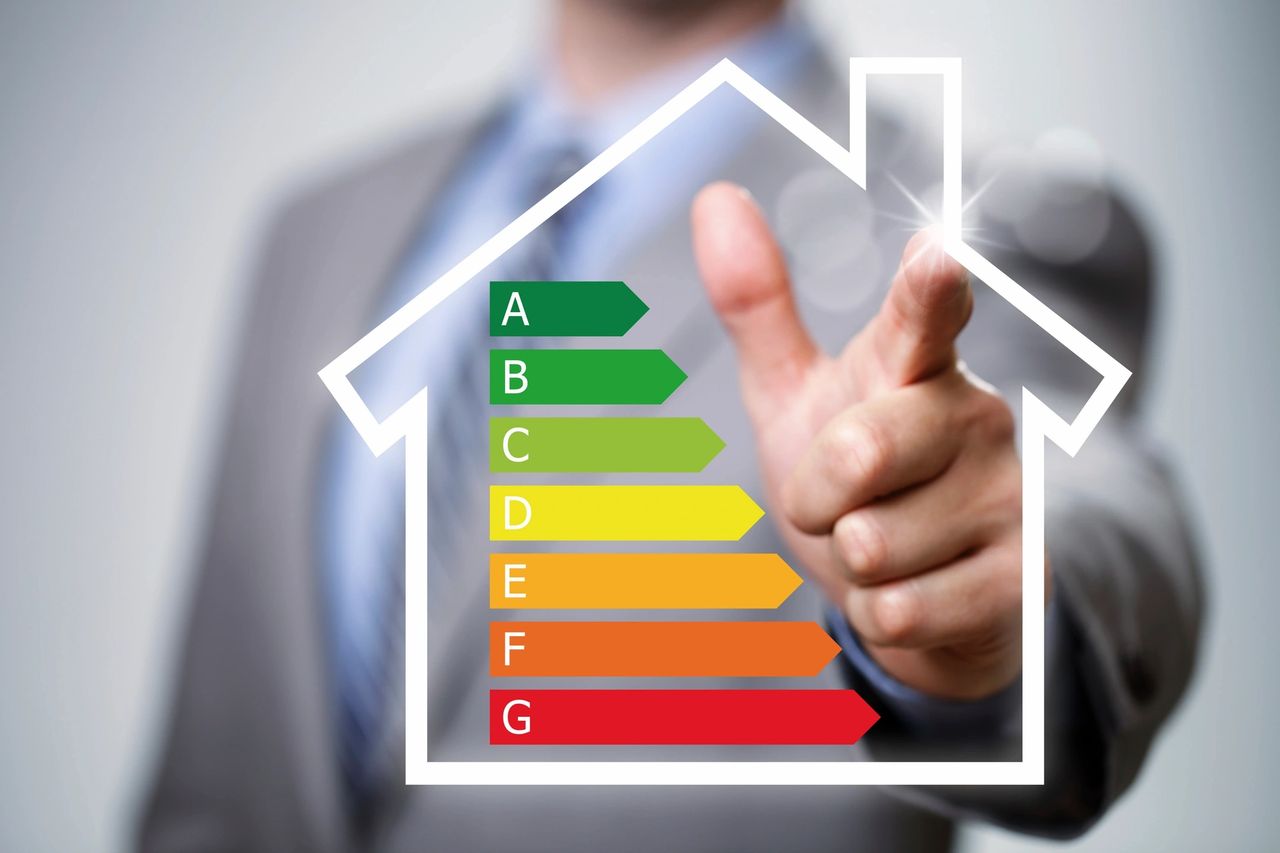
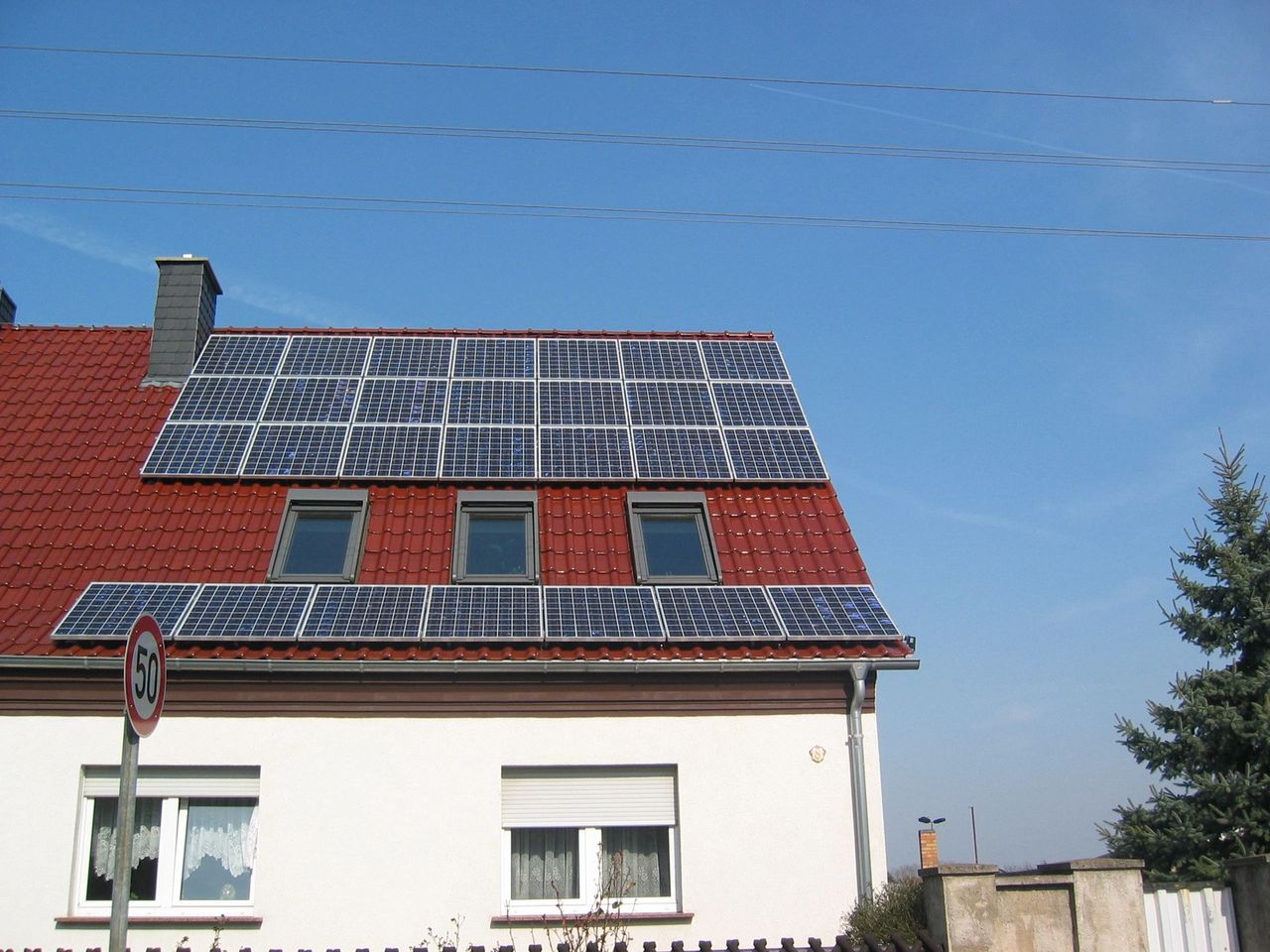
Energy efficiency is a critical component of sustainable construction. With rising electricity demand straining Zimbabwe’s power grid, buildings must incorporate energy-saving solutions such as efficient insulation, LED lighting, and energy-efficient heating and cooling systems. Solar energy is also a key player, given the country’s abundant sunlight. The government’s support for solar energy is evident, with grid-connected solar farms such as the 25MW expansion in 2024 and ongoing projects adding a combined 116 MW of solar capacity. These efforts help reduce dependency on the national grid and lower electricity costs for building owners.
Green Materials and Building Techniques

Sustainable construction in Harare also involves using environmentally friendly materials. The adoption of locally sourced materials like bamboo, recycled concrete, and sustainable timber can reduce transportation emissions and support the local economy. Techniques like prefabrication and modular construction are gaining popularity, allowing for faster, more resource-efficient building processes.
Water Conservation and Waste Management
Water scarcity in Harare highlights the importance of water-efficient systems in new buildings. Rainwater harvesting, greywater recycling, and low-flow fixtures are effective ways to reduce water consumption. Additionally, integrating green spaces and permeable surfaces helps manage stormwater. Sustainable buildings also emphasise waste reduction, reuse, and recycling, contributing to a circular economy.

Community and Policy Support

For these sustainable practices to become widespread, collaboration between government, industry professionals, and local communities is essential. The government must incentivise green building projects, enforce sustainability-focused building codes, and educate the public on the benefits of eco-friendly construction. Training within the construction sector will ensure a skilled workforce capable of executing these green initiatives.
Conclusion
Sustainable building in Harare promises a greener, more resilient future for the city. By integrating energy-efficient designs, renewable energy, green materials, and water conservation systems, Harare can lead the way for other African cities in sustainable development. Engineerium Projects is committed to helping realise this vision. With expertise in eco-friendly construction, we assist clients in building energy-efficient, sustainable structures.
For inquiries, please contact us at info@engineeriumprojects.com.